Support Indigenous Artisans: Make a Difference Today
- Jeffy Jan
- Dec 8, 2025
- 4 min read

Indigenous artisans around the world create unique, culturally rich pieces that tell stories of their heritage and traditions. However, many of these talented individuals struggle to gain recognition and support in a global market dominated by mass production. By choosing to support Indigenous artisans, you not only help preserve their cultural heritage but also contribute to their economic empowerment. This blog post will explore the importance of supporting Indigenous artisans, the challenges they face, and practical ways you can make a difference today.
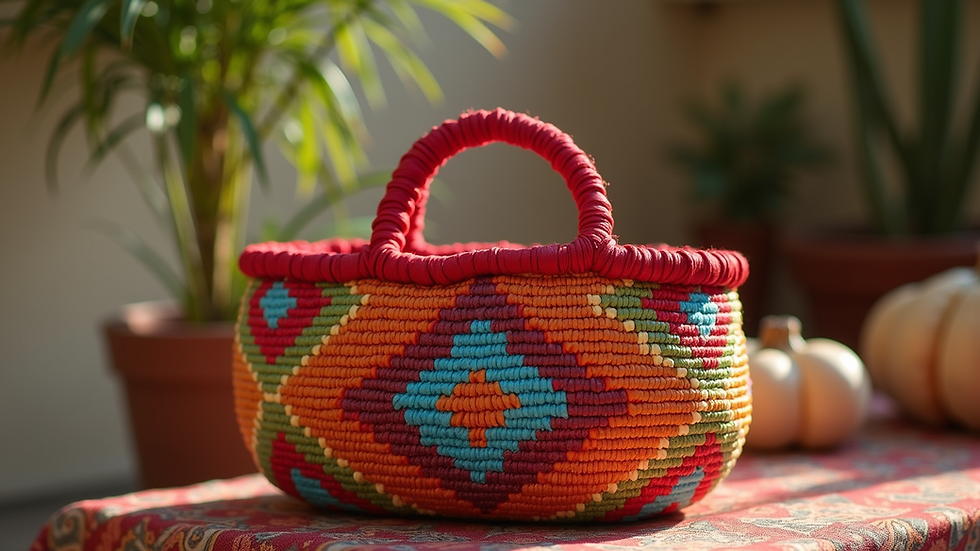
The Importance of Supporting Indigenous Artisans
Cultural Preservation
Indigenous art is more than just a product; it is a vital expression of culture, history, and identity. Each piece created by Indigenous artisans carries deep meaning and reflects the traditions of their communities. By supporting these artisans, you help preserve their cultural heritage and ensure that future generations can continue to learn from and appreciate their art.
Economic Empowerment
Many Indigenous artisans rely on their craft as a primary source of income. Supporting their work helps to create sustainable livelihoods, allowing them to invest in their communities and improve their quality of life. When you purchase handmade items directly from artisans, you ensure that a larger portion of the profits goes back to them, rather than to middlemen or large corporations.
Environmental Sustainability
Indigenous artisans often use natural materials and traditional techniques that are environmentally friendly. By supporting their work, you promote sustainable practices that respect the land and its resources. This contrasts sharply with mass-produced goods, which often rely on harmful manufacturing processes and contribute to environmental degradation.
Challenges Faced by Indigenous Artisans
Despite the importance of their work, Indigenous artisans face numerous challenges:
Limited Access to Markets
Many Indigenous artisans struggle to access broader markets due to geographical isolation, lack of resources, or limited marketing skills. This makes it difficult for them to reach potential customers and sell their products at fair prices.
Cultural Appropriation
Cultural appropriation is a significant issue for Indigenous artisans. When non-Indigenous individuals or companies replicate their designs without permission, it undermines the artisans' work and dilutes their cultural significance. This not only affects their income but also perpetuates stereotypes and misrepresentations of their culture.
Economic Inequality
Indigenous communities often experience economic disparities compared to non-Indigenous populations. This inequality can limit artisans' access to education, training, and resources needed to develop their skills and grow their businesses.
How You Can Support Indigenous Artisans
Purchase Directly from Artisans
One of the most impactful ways to support Indigenous artisans is to buy their products directly. Look for local markets, craft fairs, or online platforms that connect you with Indigenous creators. By purchasing directly, you ensure that your money goes straight to the artisans, helping them sustain their livelihoods.
Educate Yourself and Others
Understanding the cultural significance of Indigenous art is crucial. Take the time to learn about the history and traditions behind the pieces you admire. Share this knowledge with friends and family to raise awareness about the importance of supporting Indigenous artisans.
Advocate for Fair Trade Practices
Support organizations that promote fair trade practices for Indigenous artisans. These organizations often provide resources, training, and access to markets, helping artisans thrive in a competitive environment. By advocating for fair trade, you contribute to a more equitable global economy.
Support Indigenous-Owned Businesses
Seek out Indigenous-owned businesses that prioritize ethical practices and support their communities. By choosing to shop at these businesses, you help create a more sustainable economic model that empowers Indigenous artisans.
Participate in Workshops and Events
Many Indigenous artisans offer workshops or events where you can learn about their craft. Participating in these activities not only supports the artisans financially but also allows you to gain a deeper appreciation for their skills and cultural heritage.
Real-Life Examples of Supporting Indigenous Artisans
The Navajo Nation
The Navajo Nation is home to many talented artisans known for their intricate jewelry and weaving. Organizations like the Navajo Arts and Crafts Enterprise work to support these artisans by providing them with resources and access to markets. By purchasing authentic Navajo jewelry or textiles, you help sustain their traditional practices and support their community.
The Maasai of Kenya
The Maasai people are renowned for their beadwork and vibrant textiles. Organizations like the Maasai Women’s Development Organization empower Maasai women by providing training and access to markets. By buying Maasai crafts, you contribute to the economic independence of these women and help preserve their cultural heritage.
The Sami of Scandinavia
The Sami people, indigenous to the Arctic regions of Norway, Sweden, Finland, and Russia, are known for their traditional crafts, including reindeer leather products and intricate textiles. Supporting Sami artisans through local markets or online platforms helps sustain their unique culture and way of life.
Conclusion
Supporting Indigenous artisans is not just about purchasing beautiful handmade items; it is about recognizing and valuing their cultural heritage, promoting economic empowerment, and advocating for sustainable practices. By making conscious choices in your purchasing habits and spreading awareness, you can make a meaningful difference in the lives of Indigenous artisans. Start today by exploring local markets, educating yourself, and sharing the importance of supporting these talented individuals. Together, we can help preserve their art and culture for generations to come.


Comments